



Grief and gratitude don’t cancel each other out.
I love my life. I wouldn’t want my life to be any other way. It is a blessing to be able to live it.
And yet I grieve a life I didn’t live.
A home I never knew. Friends I never had.
I’ve found this dissonance a surprising and strangely comfortable thing to hold together.
There is an ache for the freedom I could have experienced earlier. I've felt something similar about my depression. If I'd found healing sooner—or never needed it at all—I might have become secure in myself years earlier. But then I wouldn't be quite the person I am today. I’m who I am, in part, because of those struggles.
I have the life I have. And it’s great.
My children exist.
My closest relationship exists.
I am alive. And I mean that literally—that was not an obvious option during the darkest days of my adolescent depression.
I have thrived. I’ve grown, changed, and improved greatly. I’ve had purpose and contributed meaningfully to the world.
And yet. There is regret. Profound regret for a version of me that never lived.
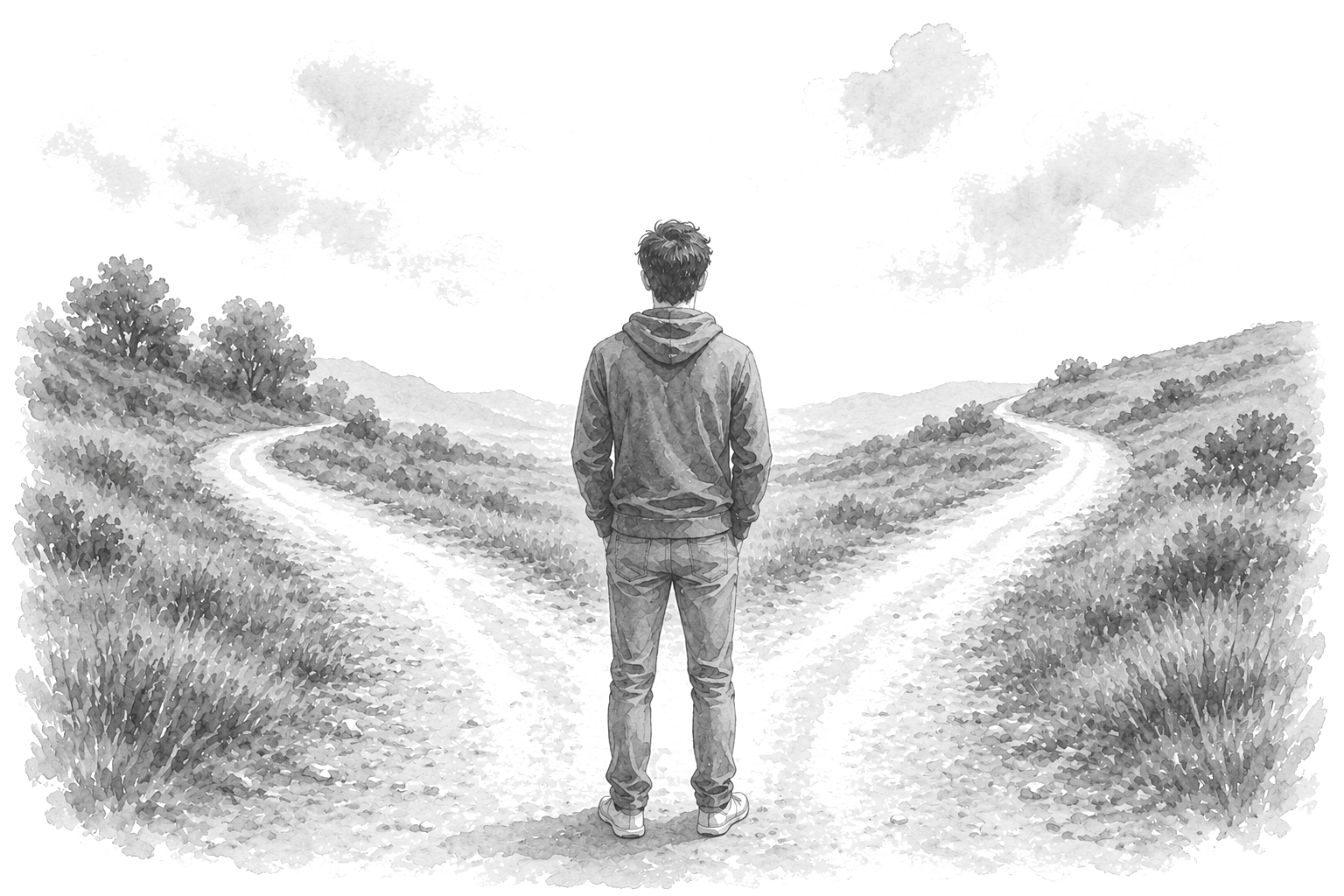
People who loved me wounded me. They didn’t mean to. They were sure the life that lay before me as a gay man would create suffering. That it was outside of God’s design, and while God would always love me, it would create circumstances that would result in great harm.
I have not been failed by bad people. Just misinformed ones.
Well-intentioned. Wrong. Misguided, but not malicious.
And while this is complicated and the topic of therapy: I’m not angry. Not at them at least. I’m angry at something larger, I think. Or maybe I’d call it more concerned and grieved by it.
The world failed us.
The Church failed us.
These specific, beautiful, wonderful people in my life? They saw a boy who was broken, sad, and lonely—and they told him that he mattered. That he was a leader. That he was valuable. And as soon as he started believing it, he felt like his life truly began.
But can you imagine if they went further. If they’d finished what they started and fully allowed me to find the me I am just now beginning to discover.
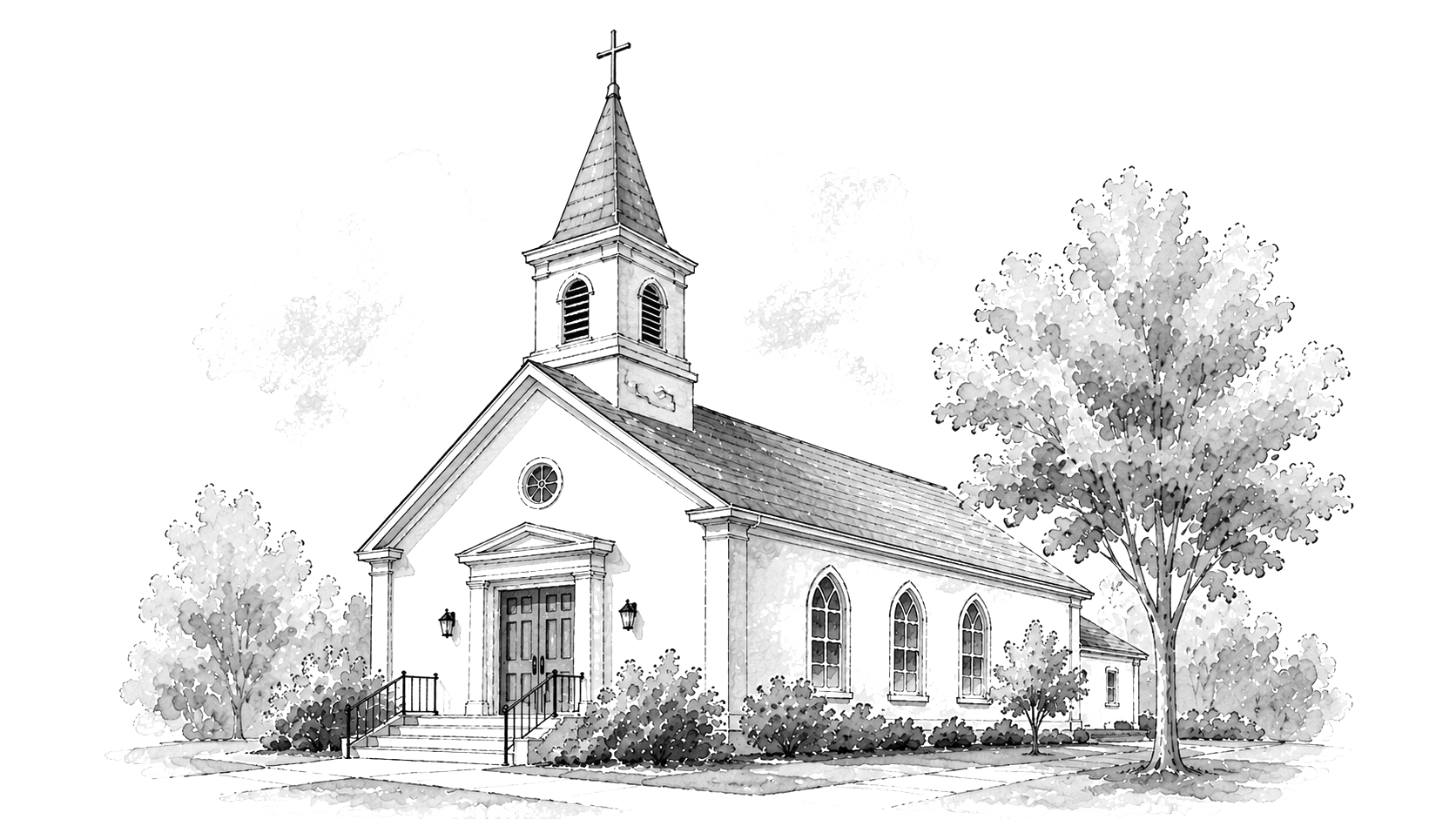
The church gave me something real. It gave me legitimate ways to sit with real pain, to find meaning inside it, to fill what was hollow with something that had weight.
That weight—the calling and training stays with you.
No matter how much I doubt my faith, or my church, I’m still a pastor. It still shows up.
It showed up at 2 a.m. in a club with someone I’d just met who needed to talk to someone he could trust.
It showed up at a gathering when a man went quiet and emotional as I talked about real connection beyond the transactional—the mutuality, the intimacy of being fully known. Something cracked open in him.
It showed up over drinks with a widower who told me about holding his husband in his arms as he died. I knew how to sit beside him. To let him feel those emotions and not have to worry about how I received them. To let him talk about the size of his loss and the measure of what they had.
Something in me just knew how to hold all of those moments. How to be steady without making it smaller.
How the church ministered to me did change me for the better. I want to be honest about that because it would be easier and cleaner to say it didn’t. But it did. I genuinely healed. I got happier, more secure, more capable of love. Every sign of growth confirmed the framework. And so I never questioned the framework.
These pastors helped me see so much about myself.
So when I meet gay men now—young and old—I’m aware of something complicated.
I have something to give: a practiced tenderness, a kind of spiritual triage, the ability to sit beside pain and not turn it into a lesson. The ability to help someone feel seen beyond the mask they are used to wearing. That didn’t come from nowhere. The church formed it in me.
I know how to hold fear without making it smaller. I know how to name what hurts. I know how to stay steady when someone is unraveling.
And yet, many of the men I meet have something to give me, too: a sense of ease inside themselves, an earlier integration, a life that didn’t require so much unlearning just to breathe.

I believe the Church keeps doing this: it creates fractures and then points to those fractures as evidence that the diagnosis was right all along. The loneliness, the shame, the divided self become proof that something is wrong with the person, rather than evidence of what the teaching itself has done.
And I know the theology many of us were handed requires non-affirming conclusions. I’m not pretending that’s a small shift. I’m just saying: when something you were taught by an authority becomes clearly untrue in lived reality, it doesn’t stay contained. You start to doubt the rest of what that authority told you.
I know you have scriptural reasons for not affirming. Peter had scriptural reasons for not welcoming Gentiles, too—and yet they saw God doing something different among them.1 I believe it's time the Church really looked at this beautiful community and the different thing that God is doing among them.
I’m grateful for the real gifts I received. I can honor what the church gave me without calling the wound holy. I’m grateful for what held me, and I’m grieving what it cost. I’m grateful for so many things, and yet I’m grieving the life I didn’t live.
See link to instagram for the source of this idea—Brandan Robertson.