


Little boxes on the hillside
Little boxes made of ticky-tacky
Little boxes on the hillside
Little boxes all the same
There’s a pink one and a green one
And a blue one and a yellow one
And they’re all made out of ticky-tacky
And they all look just the same
And the people in the houses
All went to the university
Where they were put in boxes
And they came out all the same.
And there’s doctors and lawyers
And business executives
And they’re all made out of ticky-tacky
And they all look just the same.
[…]
— Malvina Reynolds, “Little Boxes,” 1962

In 1962, Malvina Reynolds wrote “Little Boxes” while driving through a new post-war suburban development outside San Francisco—watching the homes repeat themselves on the hillside and thinking about what that repetition does to people. It’s a song of its era: pointed, a little protest-y, and a bit of an oversimplification. Those little boxes made life affordable. They gave people community, stability, a place to raise kids.
I grew up in one of those boxes.
I want to say this directly: I’m not writing to indict the people who raised me or the community that formed me. The love was real, and it was a great place to be raised. It shaped me into the person I am today, and I rather like that shape.
But what happens inside a person when belonging has a shape, and you learn to become that shape before you’ve realized that you were doing it?
My box was safe. It was full of people who loved me. It was good to me, and it often gave me opportunities to belong. A little box on a hillside next to other little boxes, all the same.
I went to school. Found a faith I believed in. Found people who shaped me and saved me. Worked in ministry. Got married. Had children. Built a life that made sense from the outside, and from the inside, mostly, too.
The love was real. The work was fulfilling. I laughed a lot. Cried with people. I felt known, useful, and connected. I built real things alongside people who mattered to me.
This isn’t about the suburbs. It’s about Reynolds’s underlying concern—conformity—and how it lives in every community, school, church, and organization.
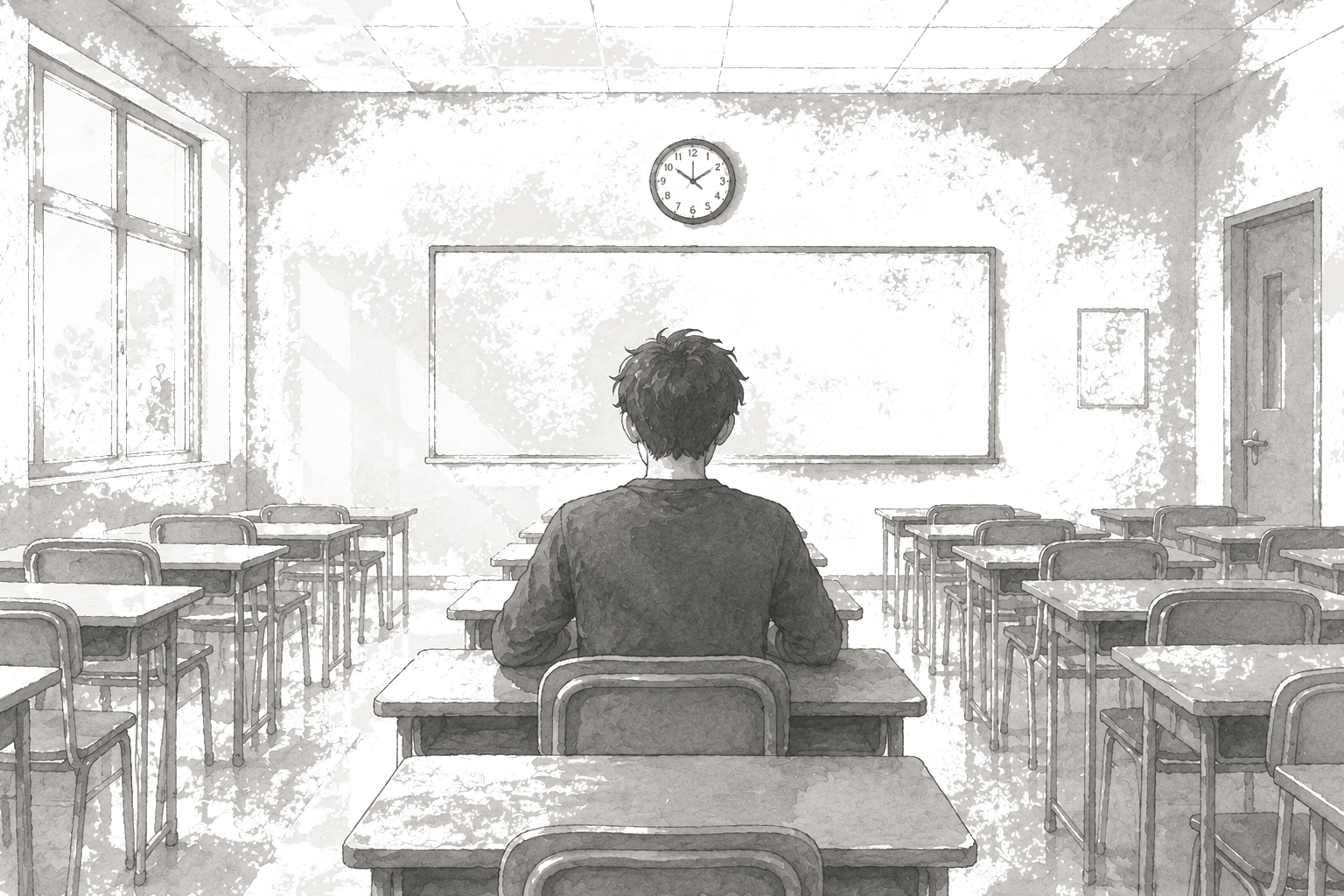
I grew up becoming whoever the room needed me to be, and I didn’t know it. My temperament made it more acute. I’m wired to keep the peace, but my beliefs pretty consistently sat outside the norm of what was around me. So I learned to hold them quietly and stay in the room.
Some of that was strategy. I believed presence mattered more than scoring points. That if you wanted to influence something, you had to remain inside it. (And its influence back on you was usually a good thing). So I tempered reactions, let theology slide that I should have challenged, stayed quiet in conversations where I should have pushed back. I told myself it was grace. And I was in this for the long haul not a short win.
But somewhere the strategy became the person. I'd been doing it long enough that I stopped noticing I was doing it. The room's version of me stopped feeling like a choice I was making and started feeling like just—me.
I wasn’t wearing a mask or choosing to play a part. It wasn’t code-switching or hiding. None of those are quite the right word. I was habituated. It was the water I swam in, and I just swam.
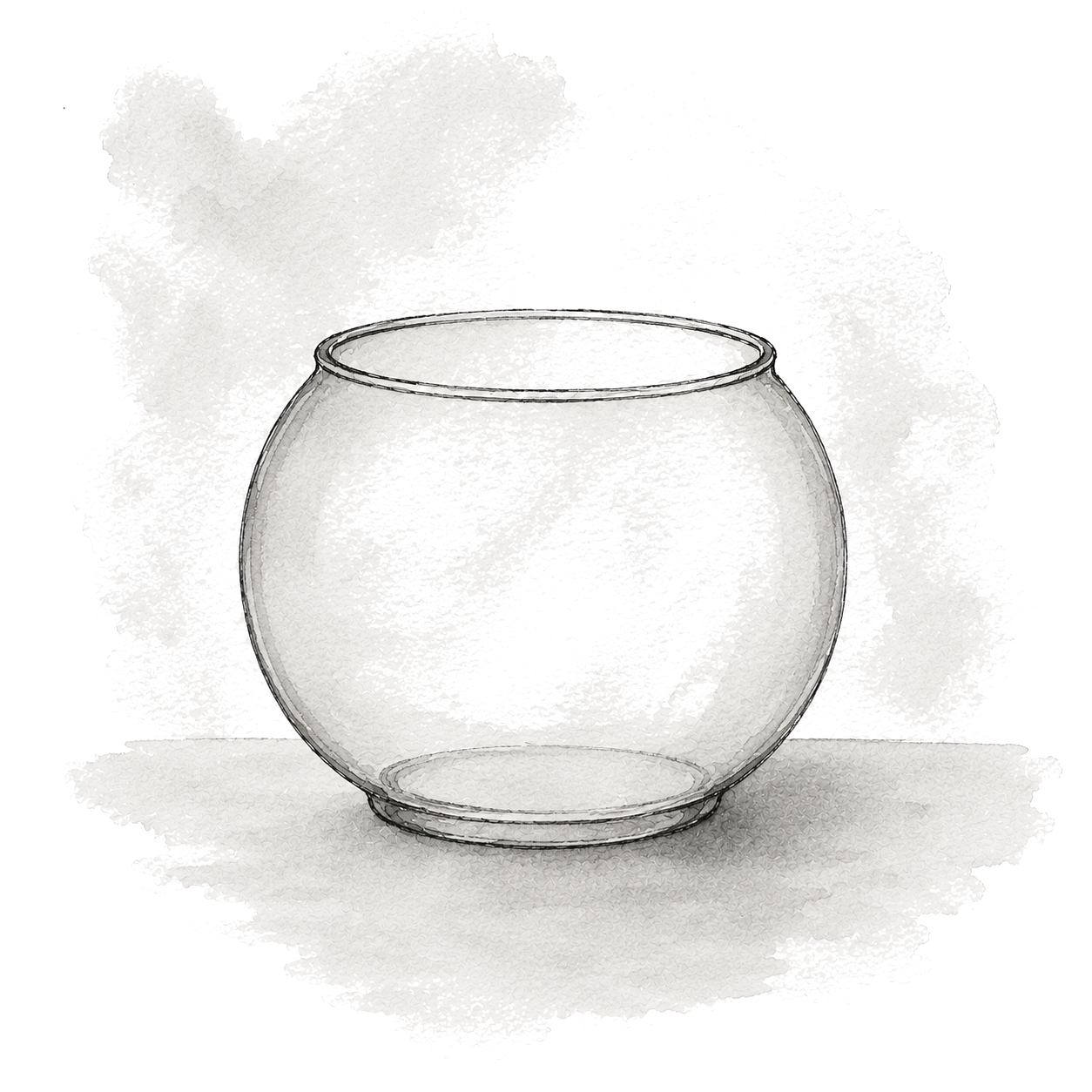
I agreed with the advice I was given, “never settle for just making a point, make a difference,” but I forgot the other advice from the same person, that “your friends will determine the direction and quality of your life.”
Between the two of them, the second is the truer aphorism.
And then there was the theology. Most communities do what this one did — shape you quietly, without asking. The culture shaped me without my knowing it. The theology told me I shouldn't want to be any other shape. That's a different thing entirely.
This post isn’t a critique; it’s a testimony. It’s how it felt and what happens as an unintended consequence of what I experienced. At least for me.
I didn’t experience it as oppression. It just felt like how things were. Embedded theology. Embedded politics. Embedded worldviews, frameworks, and culture. Embedded windows for what’s acceptable, what’s worth saying, what’s better left alone. You breathe it in and it becomes you, or at least the version of you that fits the room.
The second I was somewhere with no set expectation of me, I felt it lift. Like something I’d been holding without knowing I was holding it.
I cannot express just how profound this was to me. In future posts I’ll discuss the specific event, but here I’ll simply say: I felt who I really was. I did not realize who I was analytically. In fact, I’m still unpacking that. But I felt it. I experienced it. People noticed it in the days that followed. Something about me was different.
That’s when I realized something difficult: The theology was sincere. It was also wrong. Good theology would have set me free. Theirs just made a half-life feel whole.
The system I was in didn’t mean to do this. The people inside were trying to help. The love was real. I wouldn’t be alive without some of them—that’s not a metaphor. For several years of my life I was suicidal. Several of these people literally saved me from that, and built me up into a much more secure and settled person today.
And still, as I walked out of a system I’d been inside my whole life, I was looking back at it, and I thought: that place did real good and real harm. It didn’t mean to harm, but harm was still done.

“That’s when I realized something difficult: The theology was sincere. It was also wrong. Good theology would have set me free. Theirs just made a half-life feel whole.”
Yes, if it doesn’t sound like genuine good news for ALL people, it’s not the real gospel!
This is some deep but necessary untangling of identity, faith, and performance culture that trains you to show up in ways that subtly undermine your uniqueness and inherent value.
Here’s what I know: you are chosen, holy and dearly loved, my friend! You are delighted in by the trinity and I love that you are shedding the layers of faith that don’t line up with that truth. ❤️
🫂